
How to Check Criminal History in Lexington County
Begin a Lexington County criminal records search with the record closest to the question. The Lexington County Public Index is the main free source for General Sessions filings and participating lower-court cases. It can show a filed charge, docket events, disposition, sentence, bonds, and financial entries. It does not replace the jail inquiry for present custody or SLED CATCH for a statewide fingerprint-supported history. Collect the full legal name, date of birth when known, spelling variants, and any citation or case number before searching.
The official county index displays name, case number, court agency, case type, action type, date ranges, and arresting agency search controls. A name match alone is weak proof. Compare the birth date, county code, arresting agency, charge dates, and the full docket. The source itself is visible in the Lexington Public Index interface.
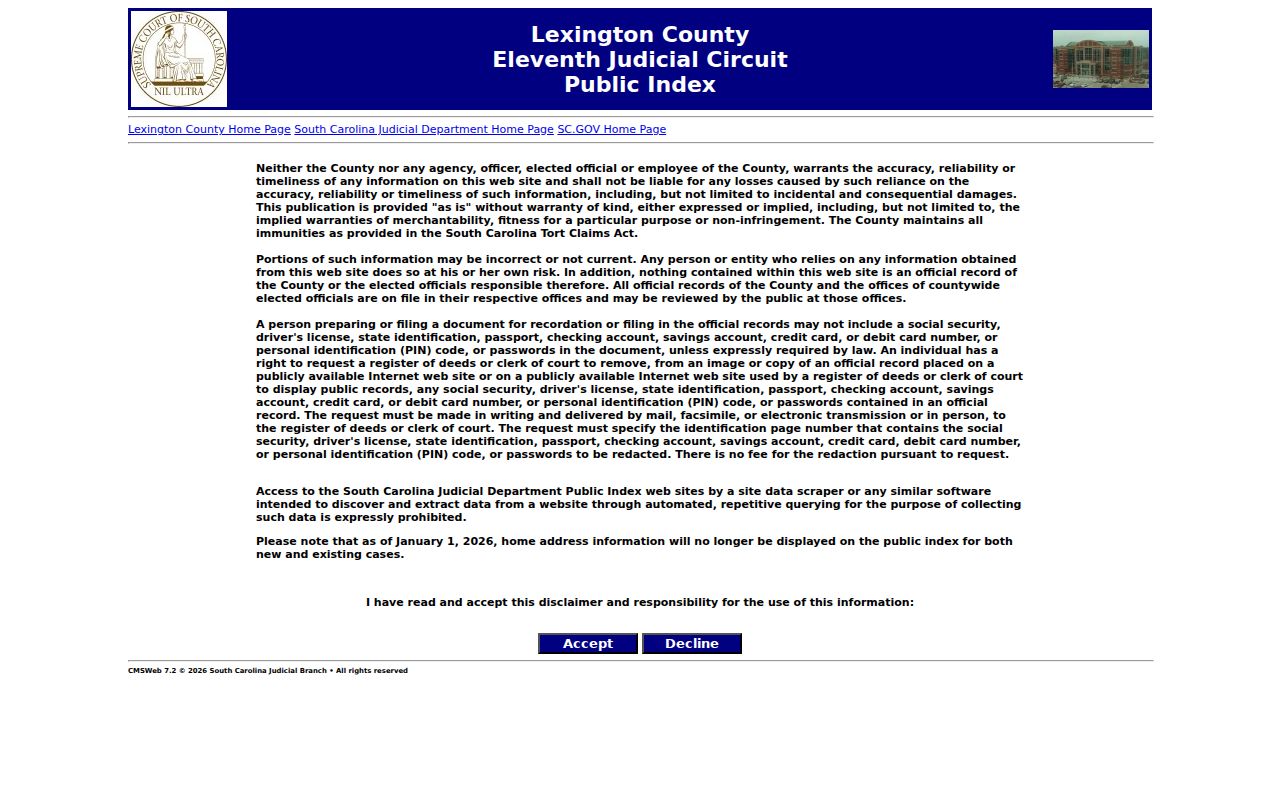
The interface shows why a broad name search should be refined before anyone relies on a result.
- Choose the Public Index for a court case, the county inmate inquiry for custody, or the creating police agency for an incident report.
- Search the narrowest reliable identifier first. A full case number is stronger than a common name.
- Open the detail and compare birth date, filing date, court, agency, and charge information.
- Check a second official system when custody, statewide history, or a registry duty matters.
- Ask the record-holding clerk or agency for a certified or official copy when the use requires one.
Reading Lexington County Case Numbers
General Sessions case numbers use the pattern YYYYGS32#####. The first four digits are the year, “GS” identifies General Sessions, and 32 is Lexington County's code. A number with a different county code belongs in another county index. Magistrate and municipal matters use other formats, so a case number without 32 is not automatically false. The citation or court notice should identify the right court.
If a result will not open, allow cookies, JavaScript, and pop-ups for the Public Index. Search by name and a wider filing-date range, then confirm the case number from the result list. Starting January 1, 2026, the South Carolina Judicial Branch removed home addresses from existing and new public-index cases. That privacy change limits address-based identity checks and makes other identifiers more important.
- Disposition
- The court's recorded outcome for a charge, such as dismissal, plea, or verdict.
- Docket
- The dated list of filings and events in the court case.
- Nolle prosequi
- A prosecutor's decision not to pursue the charge at that time.
- General Sessions
- The circuit court division that hears indictable criminal cases in Lexington County.
Official South Carolina Background Checks
SLED Citizens Access to Criminal Histories, known as CATCH, sells name-based South Carolina checks. It reports arrests and dispositions supported by fingerprint submissions to the South Carolina Law Enforcement Division. CATCH excludes wanted-person data, national records, and the separate sex offender registry. The standard fee is $25. Beginning July 1, 2026, the online service fee is $1.43 for that report; a mail request avoids the online convenience charge.
CATCH uses a “starts with” match on last name, first name, and date of birth. A Social Security number is checked if supplied. Multiple possible subjects can require special processing, so exact spelling and birth information matter. The official CATCH terms and fee screen sets out those limits.
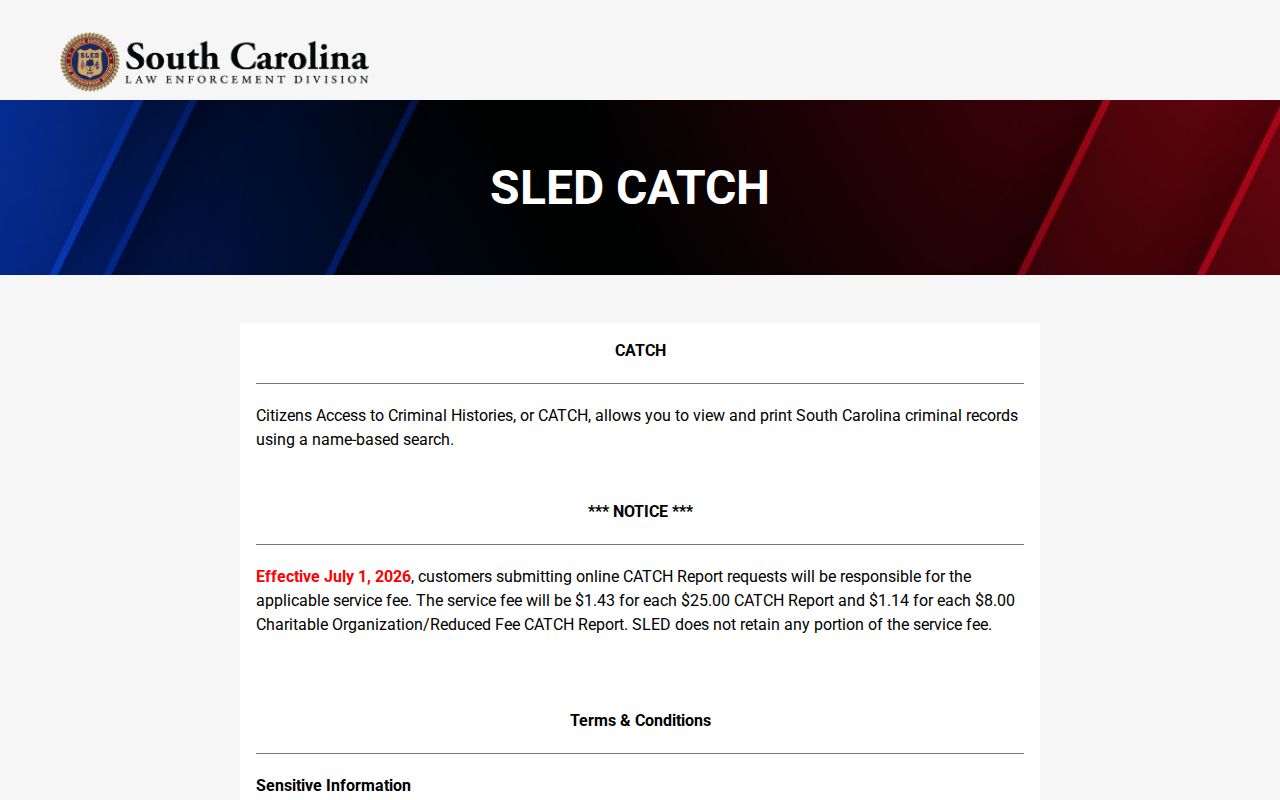
The state product is a repository search, not a certified copy of a Lexington County court judgment.
| Check | Best use | Key limit |
|---|---|---|
| Lexington Public Index | Filed county cases and dockets | Not a statewide rap sheet |
| SLED CATCH | Fingerprint-supported South Carolina history | Name based; excludes wanted and registry data |
| FBI Identity History Summary | A person's own national fingerprint history | Requires fingerprints and an identity request |
Lexington County Fingerprint Gaps
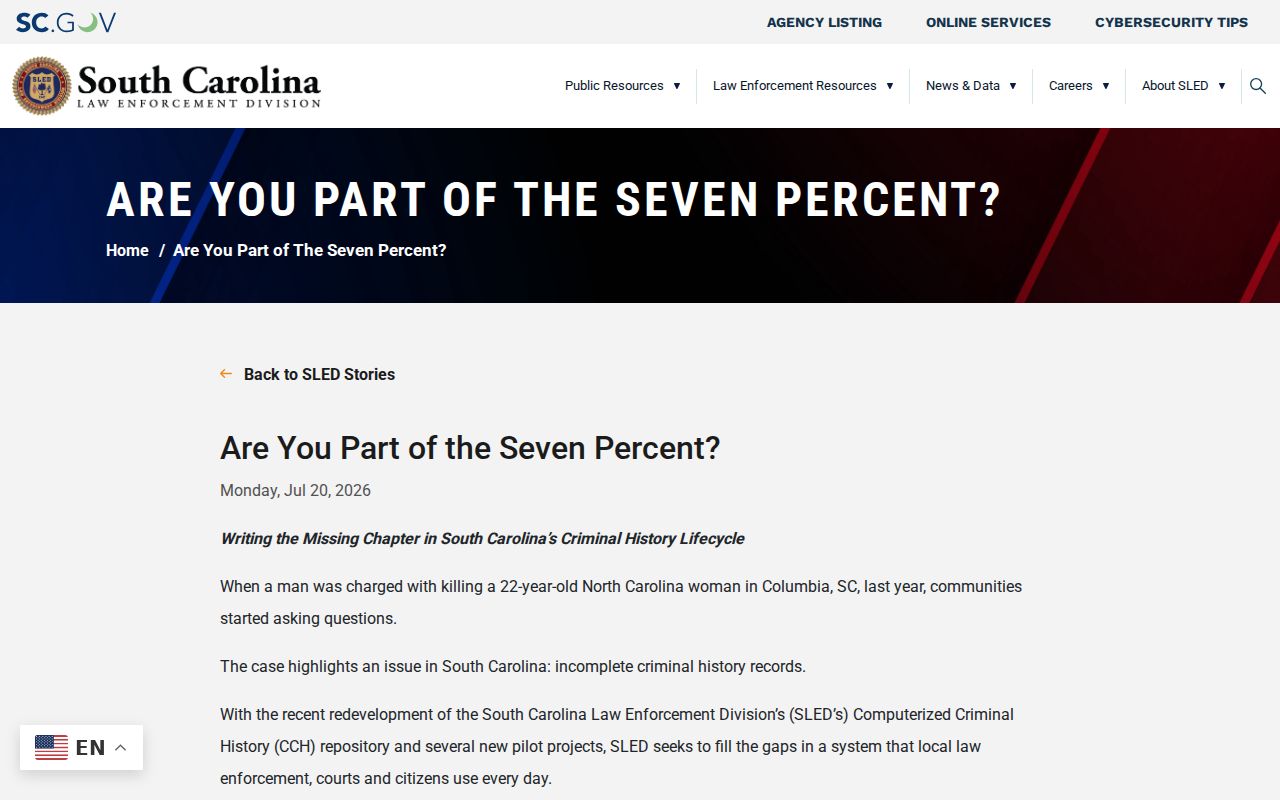
An arrest does not reach the SLED repository merely because it happened. SLED explains that fingerprints establish or update the Computerized Criminal History cycle. If the prints were not taken or transmitted, the arrest may be absent from CATCH even though the sheriff or court still has a record. Courts later send dispositions back to SLED, but timing and identifier errors can create another gap.
The SLED fingerprint-submission update describes that missing-record problem.
When a CATCH result and a Lexington County court file disagree, compare the originating arrest report and final disposition before seeking a correction.
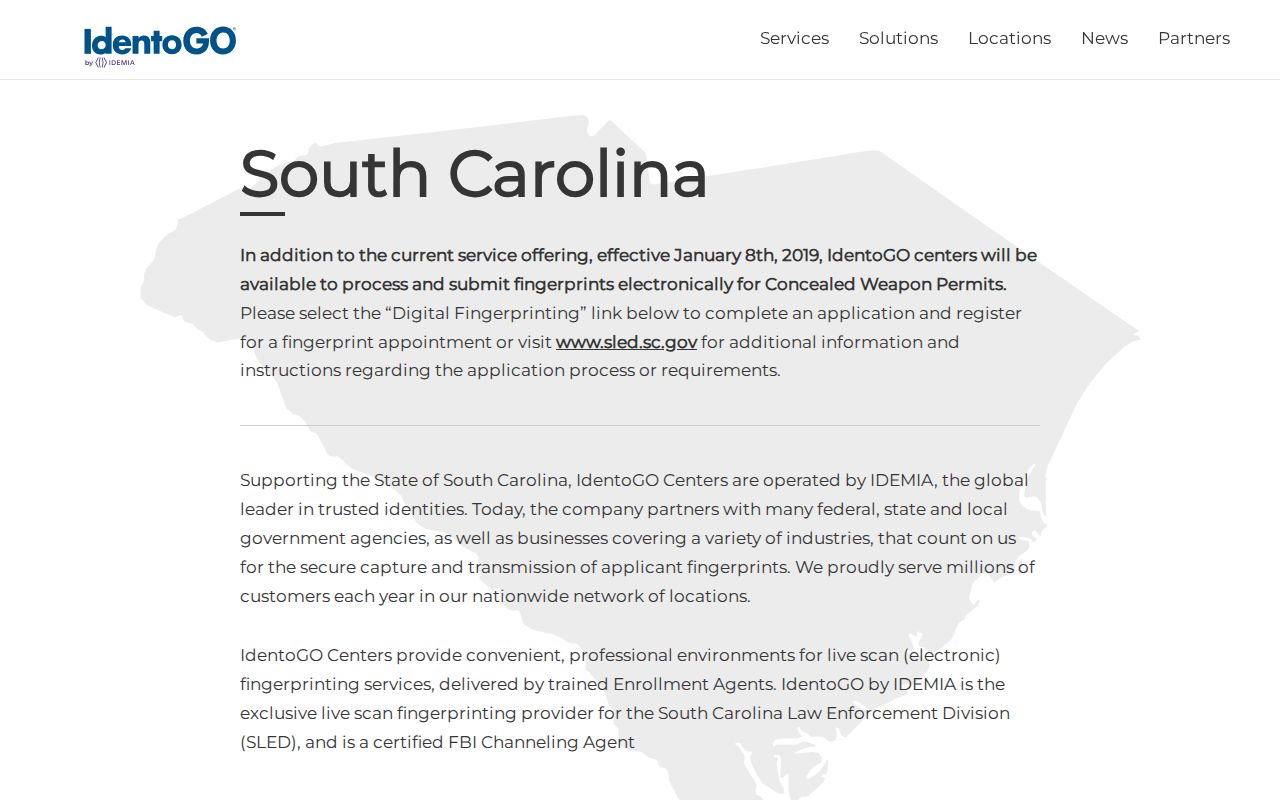
SLED conducts fingerprint-based checks only when law authorizes or requires them. IdentoGO South Carolina routes appointments and capture locations, while local law-enforcement agencies may provide FD-258 ink cards. The appointment page shows the official location path.
For a national self-review, the FBI accepts fingerprints through its Electronic Departmental Order portal.
Types of Criminal Records
Lexington County criminal history is a set of linked records, not one county file. The arresting agency writes the incident and arrest report. A detention facility creates booking, property, bond, and custody entries. The Clerk of Court preserves General Sessions filings and dispositions, while magistrate and municipal courts keep cases within their own jurisdiction. SLED builds the statewide fingerprint-supported history, and corrections and registry agencies maintain their own subject records.
Choose the custodian by the event being checked. A police report belongs with the police department that wrote it, even when a later case appears at the Westbrook Judicial Center. Current county custody belongs with the Detention Bureau. State-prison information belongs with SCDC. A registry listing is not part of a CATCH report and must be checked in SORT.
- Arrest and booking records: created by the arresting agency and booking facility.
- Criminal court files: charges, motions, docket events, outcomes, and sentences held by the hearing court.
- State criminal history: fingerprint-supported arrests and reported dispositions maintained by SLED.
- Warrants: held by the issuing court and serving law-enforcement agency, with access limited when disclosure could impede enforcement.
- Supervision and registry records: separate systems maintained by SCDPPPS, SCDC, SLED, and sheriffs.
Lexington County Offense Classes
South Carolina classifies offenses through Title 16, Chapter 1 and through the statute that defines each crime. Felony classes run from A through F, with general maximum prison terms from 30 years down to five years. Misdemeanor classes A, B, and C carry general maximums of three years, two years, and one year. Those figures are ceilings, not a forecast of the sentence in a Lexington County case.
- Felony
- A more serious offense normally heard in General Sessions, subject to its class and offense-specific law.
- Misdemeanor
- An offense that may be heard in General Sessions or within a summary court's statutory jurisdiction.
- Summary jurisdiction
- The limited criminal authority of magistrate and municipal courts for qualifying lower-level matters.
Some named crimes have their own penalties and sit outside the default class table. Enhancements, attempt rules, prior convictions, and youthful-offender treatment can also change exposure. For record research, copy the actual statute, disposition, and sentence from the docket. Do not infer the result from a charge label or class alone.
Lexington County Jail Records
The Lexington County Law Enforcement Complex at 521 Gibson Road is a key source for recent custody. The Detention Bureau's public inmate inquiry can be searched by name, date of birth, sex, and race, then sorted by name or booking date. A typical profile may show a booking number, image, physical details, arrest agency, booking and release dates, housing, bond entries, charges, and status. The jail information line is 803-785-2743.
Custody status answers a narrower question than criminal history. A person may leave the county jail while a case remains pending. A state sentence moves the search to the SCDC Inmate Search, which excludes county detainees, people on probation, and most people who have completed their sentences. SCDC states that its data updates nightly. Its entry and disclaimer screen is the source for those limits.
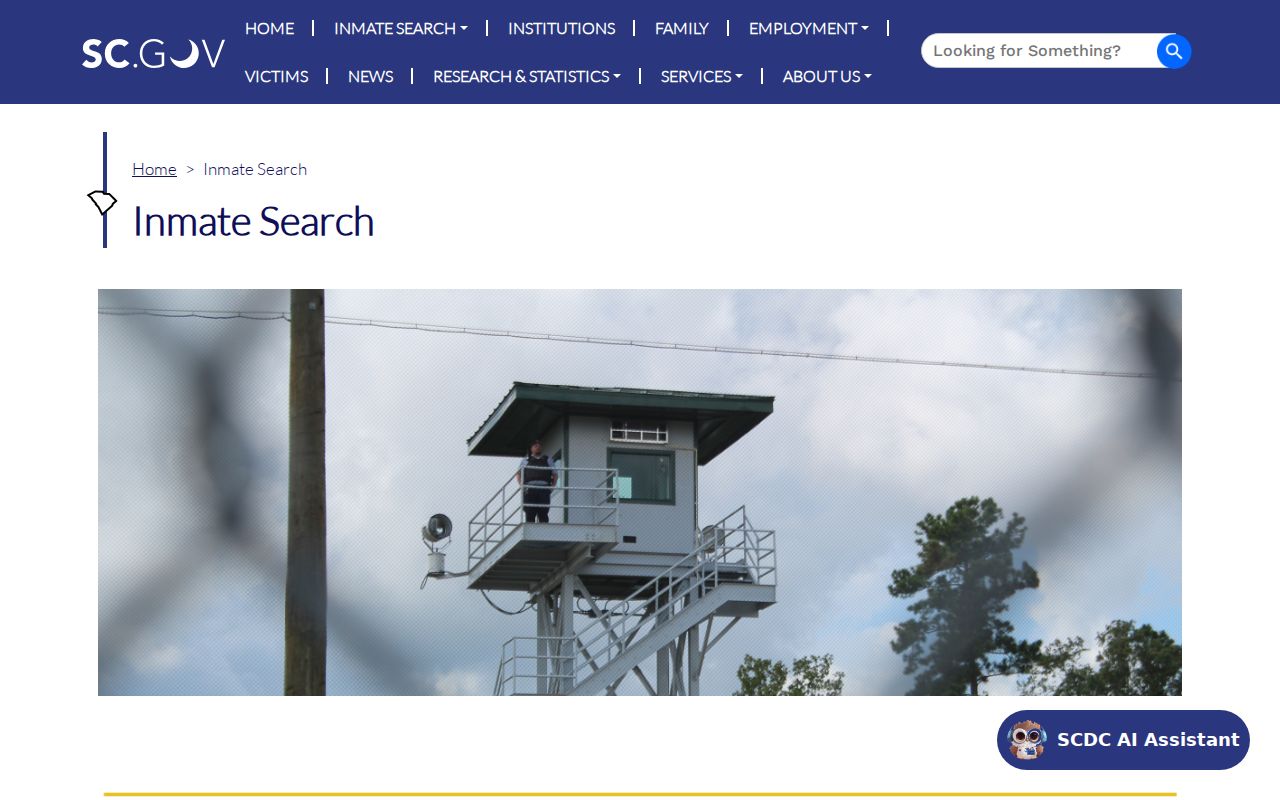
Federal custody is separate again and should be checked through the Bureau of Prisons locator.
What a Lexington County Criminal Record Shows
The contents depend on the source. The Public Index may reveal case parties, court agency, case type, filed and disposed dates, arrest date, charges, statute numbers, docket actions, bonds, sentences, and financial data. CATCH is a statewide history tied to fingerprint submissions. A jail entry focuses on custody. Read the source label before treating any field as a final court outcome.
| Name & Identifiers | Legal name, aliases, date of birth, sex, race, and source-specific ID numbers. |
|---|---|
| Arrest / Booking Data | Arrest agency, date, booking number, bond, housing, and release status where public. |
| Charges & Statutes | Offense wording, statute citation, count, and filed or booking charge. |
| Disposition | The outcome recorded for each count, with a disposition date. |
| Sentence | Confinement, credit for time served, fines, or other court-ordered terms. |
| Custody / Supervision Status | Current detention, state prison, probation, or parole data from the responsible agency. |
A booking charge can be amended, dismissed, or replaced. Follow the charge through the court docket and read each count's disposition instead of assuming the first label remained in force.
Lexington County Records Offices
Two Lexington offices hold much of the local record trail. The Clerk of Court maintains General Sessions files in Suite 128 of the Marc H. Westbrook Judicial Center. The Law Enforcement Complex is the sheriff and detention hub. County Records Management and the Public Information Office handle other county-government requests, but a police or sheriff report should start with the agency that created it.
Clerk of Court
205 East Main Street, Suite 128
Lexington, SC 29072
803-785-8212
Monday-Friday, 8 a.m.-5 p.m.
Law Enforcement Complex
521 Gibson Road
Lexington, SC 29072
803-785-8230
Jail line: 803-785-2743
County Public Information
212 South Lake Drive, Suite 602
Lexington, SC 29072
803-785-8100
PIO@lexingtoncounty.sc.gov
Visitors to the Westbrook Judicial Center pass through metal detection. Belongings may be X-rayed or searched, and the building has no storage for rejected items. Confirm counter availability before making the trip.
Public Access Laws
The South Carolina Freedom of Information Act creates a broad right to inspect public records, but it does not erase court rules, expungement statutes, juvenile restrictions, or active-investigation protections. The agency that holds the record decides what may be released and may redact protected material. Court indexes provide convenient access, while certified records still come from the clerk.
Key Statutes:
S.C. Code §30-4-30 - sets the core public inspection right, response rules, and fee standards.
S.C. Code §30-4-40 - permits exemptions, including some law-enforcement and personal information.
S.C. Code §23-3-115 - governs public dissemination of conviction data through SLED.
S.C. Code §23-3-490 - makes sex offender registry information available to the public under statutory rules.
Lexington County's form lists staff research at $4 per 15 minutes, with no research charge below 15 minutes. Printed copies are $0.25 per page, digitization is $0.50 per page, and a CD or USB costs $5. When an estimate applies, the county may require a 25 percent nonrefundable deposit.
| County FOIA item | Published charge |
|---|---|
| Staff research | $4 per 15 minutes; waived below 15 minutes |
| Print or copy | $0.25 per page |
| Digitization | $0.50 per page |
| CD or USB | $5 per item |
Lexington County Warrants and Reports
Warrant information can sit with both the issuing court and the serving agency. The clerk receives criminal warrants for transmission to the Eleventh Circuit Solicitor, while sheriff and police records may document service or an arrest. Some details may be withheld when release would interfere with enforcement. A court case search can reveal a filed matter, but it is not a promise that no warrant exists.
For incident reports, contact the agency named on the report. The Lexington County Sheriff's Department offers an online victim incident-report request and a separate FOIA route by form, email, mail, or in person. County Public Information is not the default holder for every law-enforcement record. Town police departments in Lexington, West Columbia, and Cayce maintain their own reports.
Note: Court staff warn that they do not settle alleged warrants by demanding identity or card data over the phone.
Lexington County Supervision Records
Probation and parole in Lexington County are state-run through the South Carolina Department of Probation, Parole and Pardon Services. A court docket shows that a sentence included probation, while SCDPPPS holds the active supervision file. The local office is at 605 West Main Street, Suite 104, Lexington, SC 29072, and its main number is 803-359-2551. Officer assignments, treatment details, and risk information may remain confidential even when the fact of supervision is public.
The official SCDPPPS service portal identifies the state probation, parole, and pardon authority.
Use the sentencing docket first, then ask the local office about lawful verification or the proper records-request route. There is no public probation name search documented in the research.
Victim notification follows another official channel. The SCDC victim services page provides custody and parole-hearing information.
SCDC directs parole-hearing notification questions to SCDPPPS at 1-888-551-4118. The prison locator itself excludes probation, parole, and other community supervision.
Sealed, Expunged & Restricted
South Carolina uses expungement and an Order for Destruction of Arrest Records to remove eligible matters from public access. The route depends on the case. Eligible General Sessions matters go through the Eleventh Circuit Solicitor. A magistrate or municipal court handles qualifying dismissed summary-court matters that it disposed of. Juvenile records, sealed files, and active investigative material follow separate access limits.
Expungement is not automatic for every dismissal or old conviction. Confirm that each source completed the order. The Public Index, arresting agency, and SLED repository may update on different schedules. SLED's CJIS and expungement information explains the state repository's role.
A person reviewing an expunged case should keep the signed order and ask the office that still displays the record about its correction process.
Federal Records Near Lexington County
Federal criminal cases do not appear as Lexington County General Sessions files. PACER supplies federal docket access, and the U.S. District Court for the District of South Carolina is the relevant federal trial court. Federal custody belongs in the Bureau of Prisons locator. These channels should be checked when the charging document names the United States rather than South Carolina or a local municipality.
A person seeking a national fingerprint history can use the FBI Electronic Departmental Order portal for an Identity History Summary. The official request screen illustrates the separate federal self-review path.
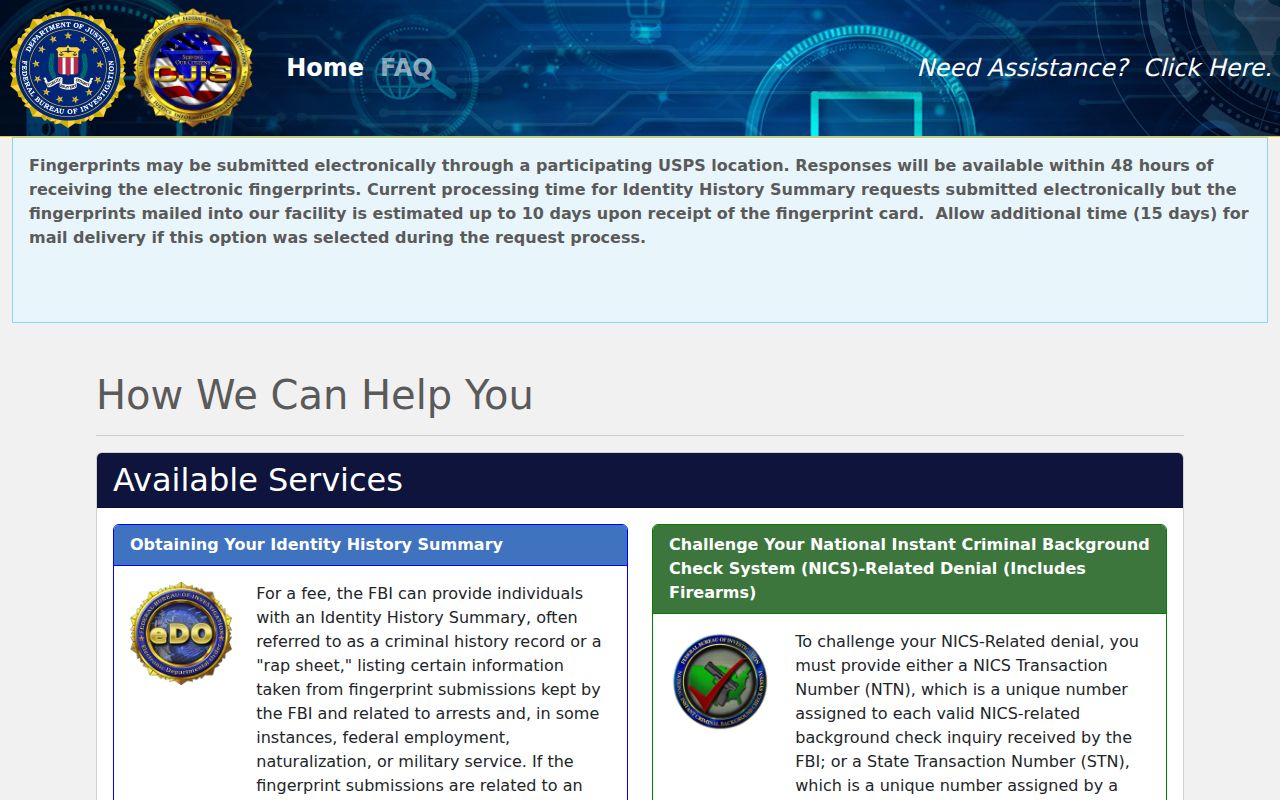
The FBI summary is not a substitute for a certified Lexington County disposition when a local court outcome needs proof.
Lexington County Registry Records
The South Carolina Sex Offender Registry Tool is separate from CATCH. SLED and county sheriffs share registry duties, and a Lexington-specific gateway supports local searching. Results may include names, aliases, photographs, offense data, registration tier, address or map information, and compliance details. SLED warns that addresses can change, so the result should be treated as a current public-safety lead rather than a permanent address certificate.
The SLED registry conditions and tier guidance explains public access and the 2025 amendments.
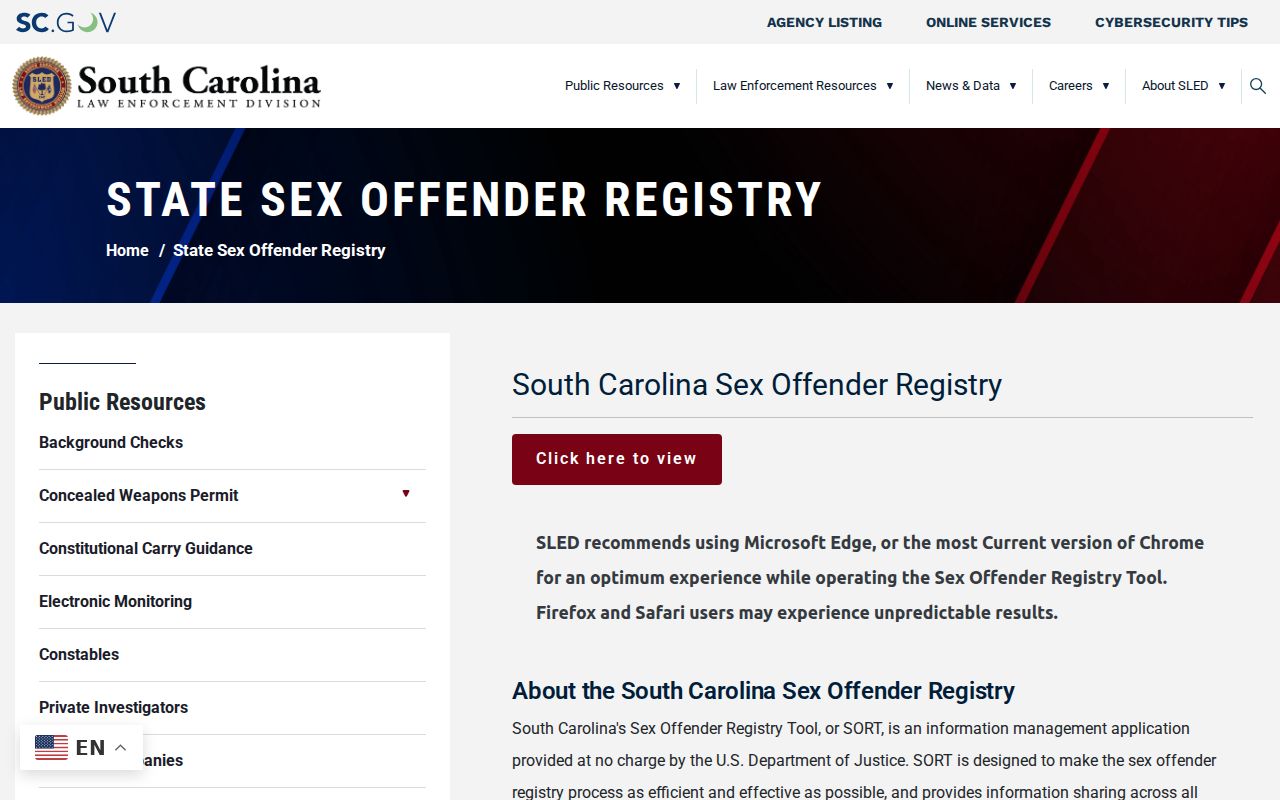
Use the dedicated Lexington County sex offender check for search fields, tiers, alerts, and lawful-use rules.
Criminal Records by City in Lexington County
Municipal police departments write their own incident reports, and city courts keep summary criminal, ordinance, and traffic cases within their jurisdiction. A city arrest may still lead to county detention and General Sessions records. Lexington, West Columbia, and Cayce are the county's three largest incorporated places by the Census Bureau's 2024 estimates, but each has a different request path and court-search option.
Lexington Criminal History
25,354 · Town police reports and Municipal Court records start at 111 Maiden Lane.
West Columbia Criminal History
18,418 · WCPD records and a public municipal citation search provide city-level access.
Cayce Criminal History
13,645 · Police FOIA and Municipal Court requests follow city-specific channels.