
Criminal Cases in the Lexington County Courts
The Court of General Sessions is Lexington County's court of general criminal jurisdiction. It sits in South Carolina's Eleventh Judicial Circuit and hears indictable charges, including felonies and more serious misdemeanors. Magistrate courts keep summary criminal, traffic, and preliminary matters within their assigned jurisdiction. Municipal courts in Lexington, West Columbia, Cayce, and other incorporated places keep city ordinance, traffic, and summary criminal files. The location printed on a citation or bond paper therefore matters. A city case does not become a General Sessions file merely because an arrest led to detention at the county jail.
The elected Clerk of Court preserves General Sessions filings and dockets, receives criminal warrants for delivery to the Circuit Solicitor, receives bail, staffs courtrooms, compiles trial lists, and records fines and costs. Municipal and magistrate clerks maintain their own records. Some summary courts participate in the Public Index, but participation is not universal. When a name search produces no result, confirm the precise court before concluding that Lexington County has no case.
Lexington County Public Index
The Lexington County Public Index is the main free remote view of filed court cases. It shows a case history rather than a simple verdict. Readers should compare the charge first filed with later event entries and the final disposition. The Judicial Branch requires cookies and JavaScript, and some browsers need a pop-up exception before case detail will open.
A General Sessions number follows the form YYYYGS32#####. The “32” is Lexington County's code. Summary-court numbers use a different pattern, YYYYACCxxxxxxxx. A number without 32 may belong to another county or court type, so check the court and county fields instead of forcing it into a Lexington County search.
The official South Carolina Judicial Branch search route explains county and city index access. A separate official Lexington County portal is the SORT gateway. Its assigned image makes an important boundary visible: sex-offender registration is not part of a criminal court case file.
The separate gateway helps prevent a common error. Registry status cannot be inferred from a Public Index result, and a court search should not be treated as a registry check.
How to Search Case Records
Use the case number whenever possible. It avoids same-name matches and identifies the court year, type, and county. If only a name is known, test spelling variations and then narrow the result by filing date, charge, and court. The online index is a finding tool, not a certified judgment.
- Open the Judicial Branch Case Records Search, choose Lexington, and enter the county Public Index.
- Search by the full case number, or use party and first or last name fields when no number is available.
- Narrow broad results with the court agency or type and any date range the interface offers.
- Open the case detail and record the court, filing date, status, charge, docket events, and final disposition.
- Ask the maintaining clerk for a plain or certified copy when the online view is not enough.
| Field or control | Type | Required | Lexington County use |
|---|---|---|---|
| Case Number | Text | Alternative | General Sessions format YYYYGS32##### |
| Party name | Text | Alternative | Person or business; aliases and spelling matter |
| First and last name | Text | Alternative | Use other facts to separate common names |
| Court agency or type | Selector | Optional | General Sessions, Common Pleas, or participating summary court |
| Date range | Date fields | Optional | Limits results when the interface offers it |
Note: Pop-ups, cookies, and JavaScript may need to be enabled before Lexington County case detail opens.
Lexington County Clerk Counter
The criminal counter is in the Marc H. Westbrook Judicial Center. The official Judicial Branch courthouse listing gives the courthouse and clerk contact, and its courthouse image is assigned to this page.
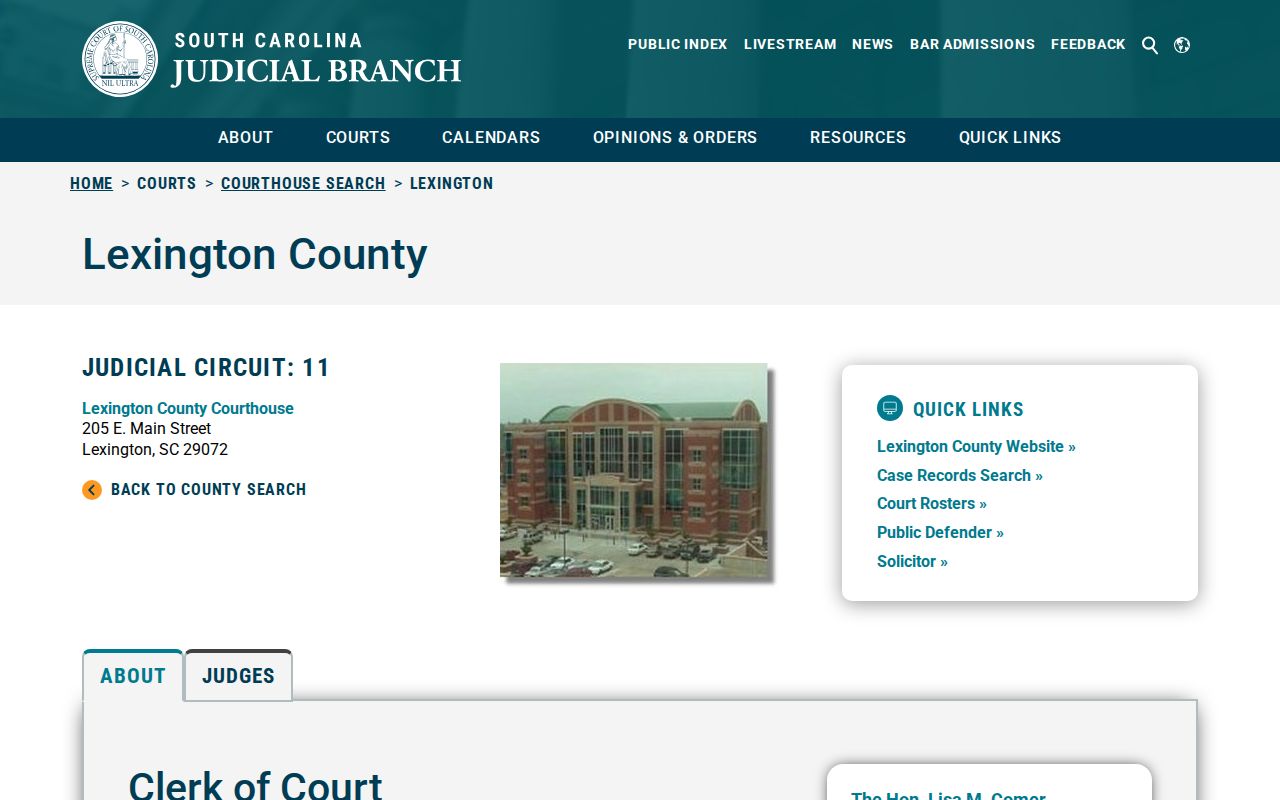
That office holds General Sessions case records and can explain how to obtain a plain copy or certified judgment. A certified copy bears the clerk's official authentication and is the safer choice when the exact court result must be proved.
General Sessions Clerk
Marc H. Westbrook Judicial Center
205 East Main Street, Suite 128
Lexington, SC 29072
803-785-8212
County hours: Monday through Friday, 8 a.m. to 5 p.m.
Eleventh Circuit Solicitor
205 East Main Street
Lexington, SC 29072
803-785-8352
Controls charging and prosecution in General Sessions.
The county Clerk of Court page also warns about entry screening. The assigned security image shows that practical notice.
Deputies use metal detection and may X-ray or inspect belongings. There is no storage for rejected property, so check the published rules before bringing bags, tools, or recording gear.
What the Case File Shows
A Lexington County criminal case file is built around prosecution, not custody. It may record the State and defendant, counsel, the charging paper, scheduled hearings, motions, plea events, a trial result, disposition, and sentence. Bond data and financial assessments can appear when docketed. Public document images may be limited even when the event line remains visible.
| Case number and court | Identifies the year, court type, Lexington County code, and maintaining court. |
|---|---|
| Charging record | Lists the filed offense description, statute or code, and offense date. |
| Docket entries | Tracks filings, indictment, bench warrant, hearings, plea, sentence, and closure events. |
| Parties and counsel | Shows the State, defendant, and attorneys where entered. |
| Disposition | Records dismissal, acquittal, plea, conviction, or another final result. |
| Sentence | States punishment and conditions entered by the court when public. |
Read the whole chronology. A charge label near the top may be amended, dismissed, or replaced. The final disposition and sentence provide the case outcome. An arrest alone does not.
Lexington County Charge Pipeline
South Carolina calls its elected prosecutor the Circuit Solicitor. In Lexington County, the Eleventh Circuit Solicitor receives General Sessions matters and decides how qualifying charges proceed. The clerk receives criminal warrants for transmission to that office, but the prosecutor and clerk hold different parts of the record. The Solicitor's charging work does not replace the clerk's official docket.
Diversion can also change a case timeline. Local programs include Pretrial Intervention, Alcohol Education, Traffic Education, Juvenile Arbitration, Adult Drug Treatment Court, and the Worthless Check Unit. A successful program may end in dismissal and may support expungement, but readers should confirm the signed court result. Program entry itself is not a final disposition.
Stages of a Criminal Case
Once a prosecutor files a Lexington County charge, the docket grows one event at a time. Arraignment is the hearing at which the accusation is formally addressed and a plea may be entered. Pretrial events can include motions, scheduling, discovery disputes, and negotiations. A plea or trial then leads to a disposition, meaning the court's formal outcome. Sentencing records the punishment when there is a conviction.
Case flow: Charges Filed › Arraignment › Pretrial › Plea or Trial › Disposition › Sentencing
The path may branch. A dismissal ends a charge without a guilty finding. A bench warrant can appear after a missed court event. A case can also be remanded, transferred, appealed, or reopened. Date order is therefore more useful than reading one isolated line.
Federal Cases Beyond Lexington County
A federal criminal case is not a Lexington County General Sessions file. The U.S. District Court for the District of South Carolina maintains the federal trial docket, and PACER provides electronic federal case access. Check the caption and charging authority before choosing a portal. A document naming the United States as prosecutor belongs in the federal system, even when the events occurred in Lexington County.
The District of South Carolina website is the official court source.
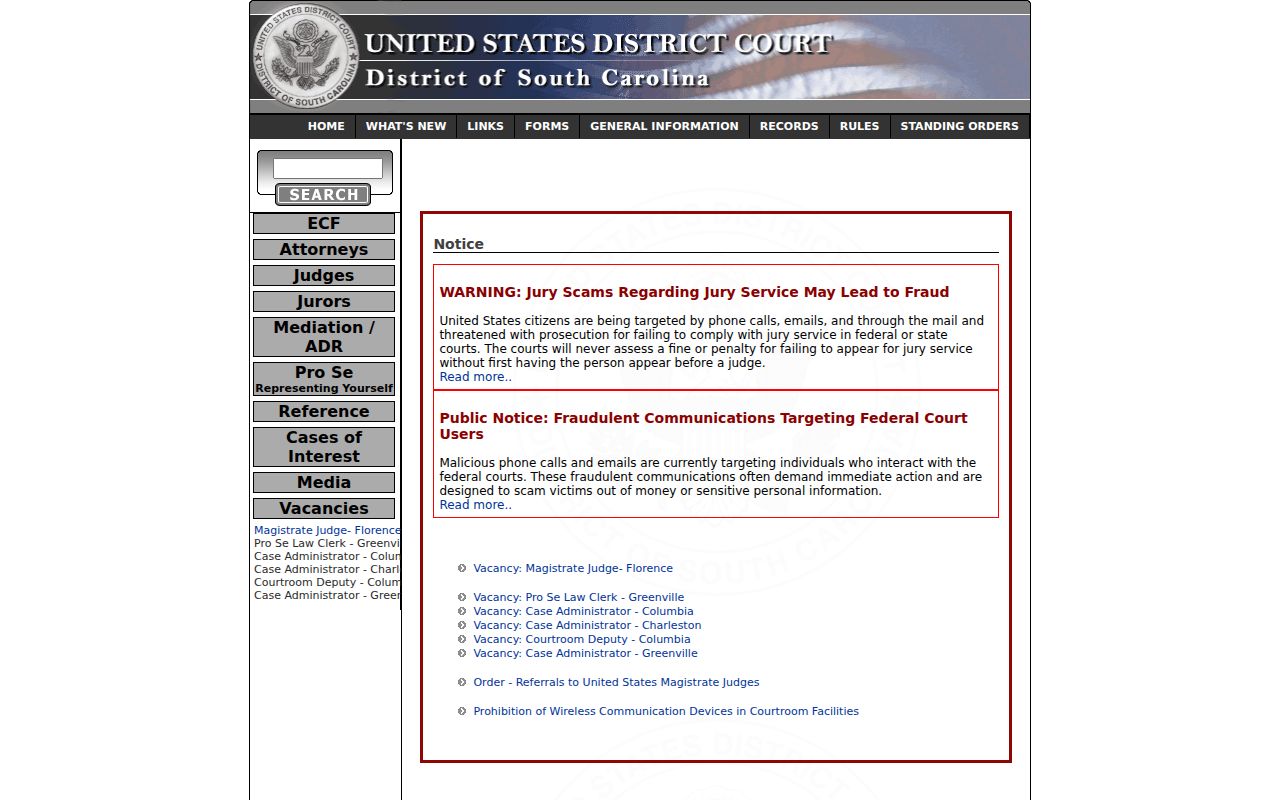
Use it for court locations and federal procedures, then use PACER when the docket itself is needed.
The judiciary's PACER service handles account and federal case-record access.
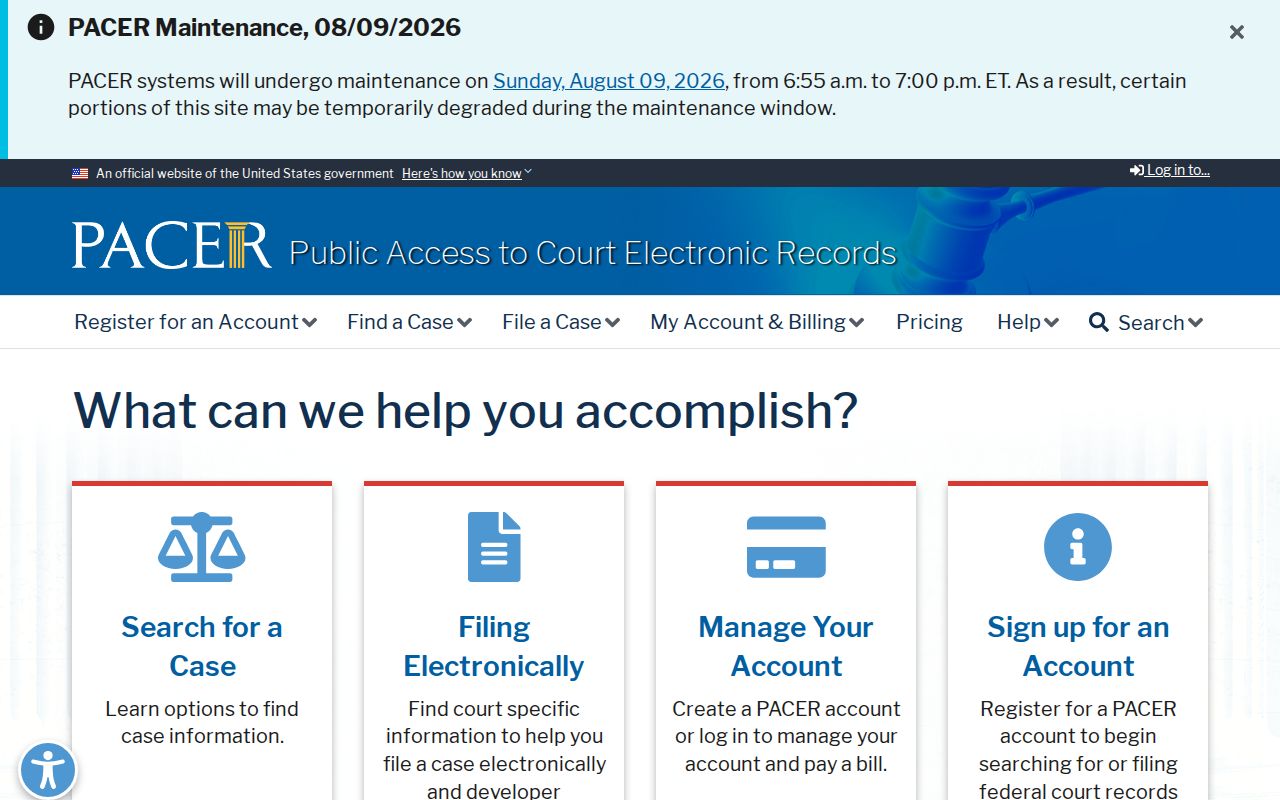
PACER records should not be mixed into a Lexington Public Index result. Each system has its own case number, clerk, docket, and copy process.
Lexington County Docket Privacy
Beginning January 1, 2026, the South Carolina Judicial Branch removed home addresses from both new and existing Public Index cases. The change limits a field that once appeared in remote court views without erasing the case itself. Names, charges, events, and public dispositions remain subject to the court's access rules.
The governing boundary is broader than one portal change. South Carolina's Freedom of Information Act supports access to public business but also permits withholding or redaction in defined circumstances. The manifest image of Title 30, Chapter 4 connects that rule to Lexington County court-record requests.
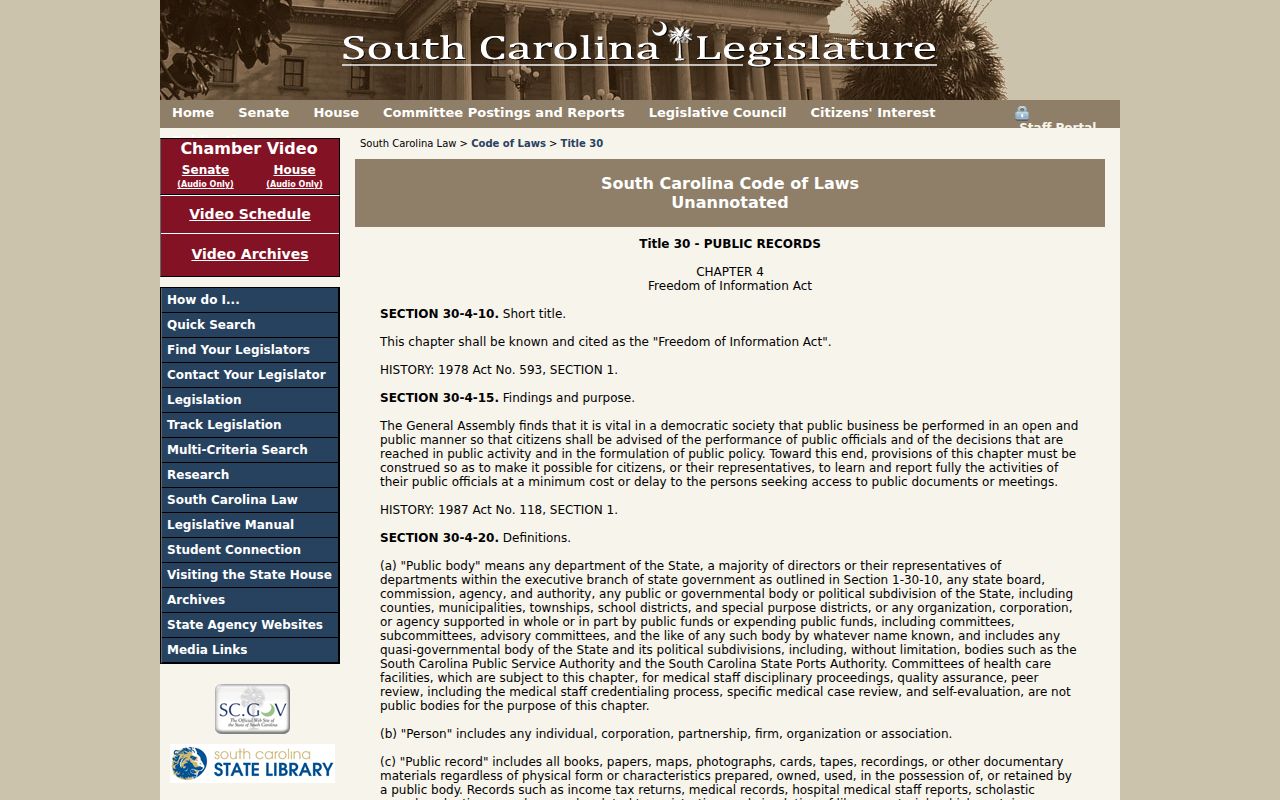
Court records are administered by the judiciary, so a county public-information request is not the best first route for a case file. Use the Public Index and the maintaining clerk.
Access & Restrictions
Open access has limits. Juvenile identities and files receive special protection. Sealed and expunged matters do not remain in ordinary public view. Victim data, medical facts, sensitive identifiers, and information protected by another law can be removed or withheld. A pending investigation may also affect access to law-enforcement material, though that material is distinct from the filed court docket.
South Carolina criminal-history dissemination rules appear in Title 23, Chapter 3. The assigned statute image shows the official source used to distinguish court dockets from the state fingerprint-supported repository.
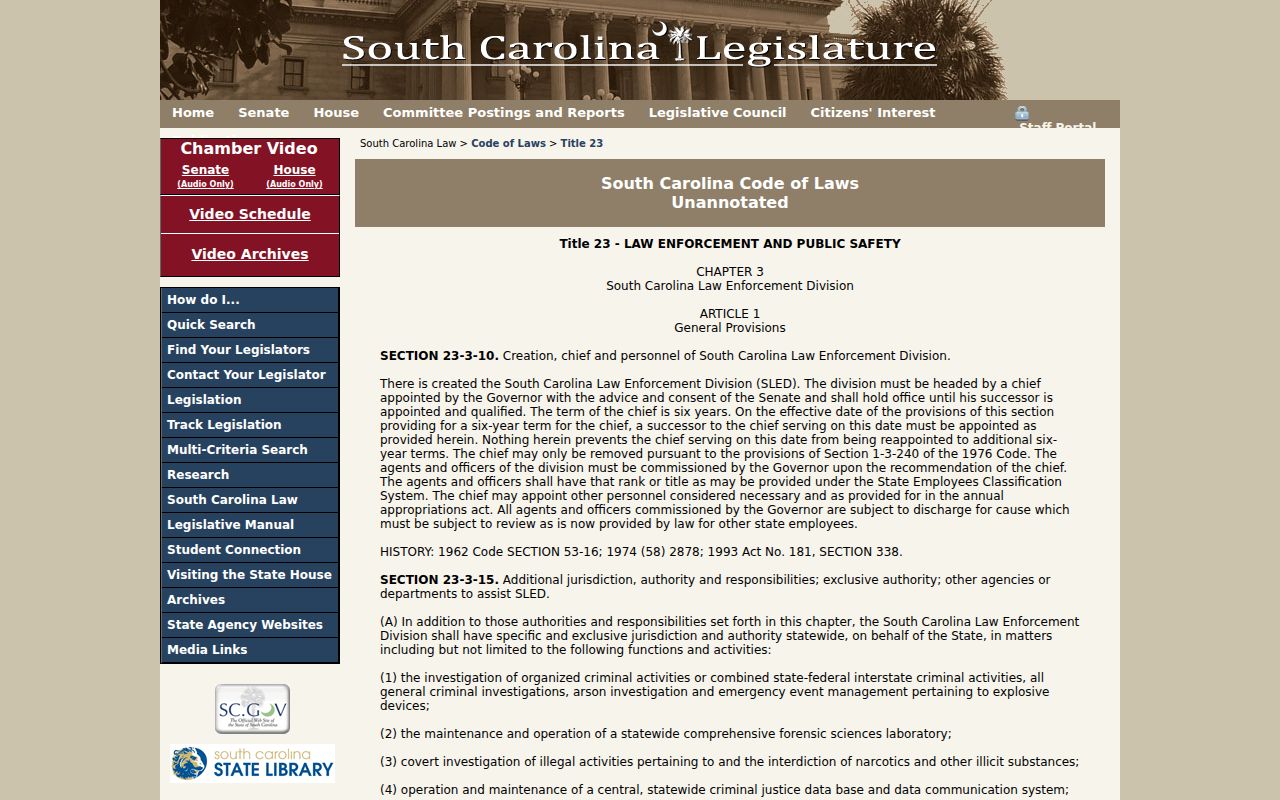
A Public Index file and a SLED CATCH report can disagree because they are assembled for different purposes. Missing prints, delayed disposition reports, aliases, and identifier errors can break the match. For self-review, ask the clerk to correct its source docket and SLED to correct the repository entry it maintains.
Lexington County Certified Case Copies
A screen result is useful for finding a file. It is not the official paper itself. Ask the clerk that maintains the case for a plain copy when readable information is enough, or request a certified judgment when authentication matters. Supply the case number, defendant name, court, and the precise document or disposition needed. This keeps staff from guessing among similar names or copying an entire file unnecessarily.
Summary matters require extra care. Some municipal cases appear in the Public Index and others must be requested directly from the city court. Magistrate records also follow the assigned location. The county's Clerk of Court quick tips provides local routing guidance, while a citation remains the best clue to the correct counter.
Note: A certified judgment comes from the maintaining clerk, not from a screenshot or statewide criminal-history product.