
Arrest History in Lexington County
One Lexington County arrest creates several records. The arresting agency writes an incident or arrest report. The Lexington County Detention Center creates the intake, booking, bond, and custody record. Fingerprints submitted under South Carolina law may update the SLED Computerized Criminal History repository. If prosecutors proceed, General Sessions, a magistrate, or a municipal court opens a separate case.
The agency badge controls the first request. Lexington County Sheriff's Department handles arrests in its jurisdiction, while Lexington, West Columbia, and Cayce police keep their own reports. South Carolina Highway Patrol, SLED, and campus or school agencies can also make arrests. A county jail entry does not make the sheriff the custodian of every incident report.
Lexington County Gibson Road Booking
The county detention center operates at the Law Enforcement Complex on Gibson Road. The official county building listing confirms the complex and main sheriff contact. Its assigned manifest image shows the public-facing office source without republishing a person's booking photo.
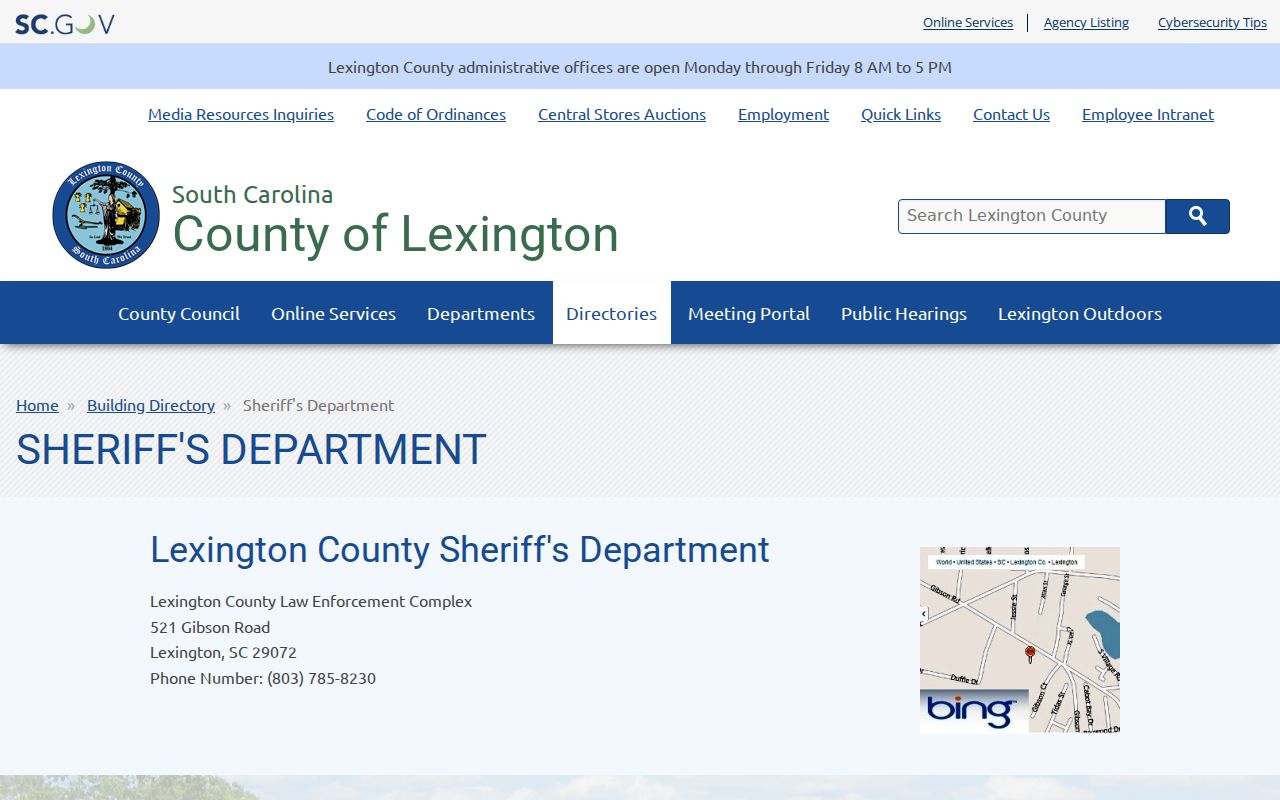
For present custody, call the jail with the person's full legal name and date of birth. Historical booking material calls for a narrow records request. The booking process includes identity intake, property inventory, health screening, fingerprints, charge entry, classification, bond work, and an initial appearance.
Lexington County Detention Center
521 Gibson Road
Lexington, SC 29072
803-785-2743
Sheriff main: 803-785-8230
County Public Information Office
212 South Lake Drive, Suite 602
Lexington, SC 29072
803-785-8100
PIO@lexingtoncounty.sc.gov
How to Look Up Lexington County Arrests
Choose the channel by time and purpose. The current inmate catalog answers present or recent custody questions. The arresting agency holds the underlying report. The Public Index tracks filed prosecution, while SLED CATCH returns a statewide fingerprint-supported history. SCDC applies only after a person receives a state sentence and transfers to state custody.
- Search the official P2C Inmate Inquiry or call the detention center for present custody, bond, and court destination.
- Identify the arresting agency and request its incident or arrest report with the event date, location, and report number.
- Search the Lexington Public Index for a filed court case, allowing for a lag between booking and filing.
- Use South Carolina Law Enforcement Division CATCH for a statewide fingerprint-supported arrest and disposition record.
- Submit a focused FOIA request for historical booking material when routine web, phone, and counter channels do not supply it.
- Use SCDC Inmate Search only for a sentenced state prisoner, not a county detainee or released person.
The county's official phone directory supports the fallback chain. Its manifest image is assigned here because it helps locate a live county office when a web search fails.
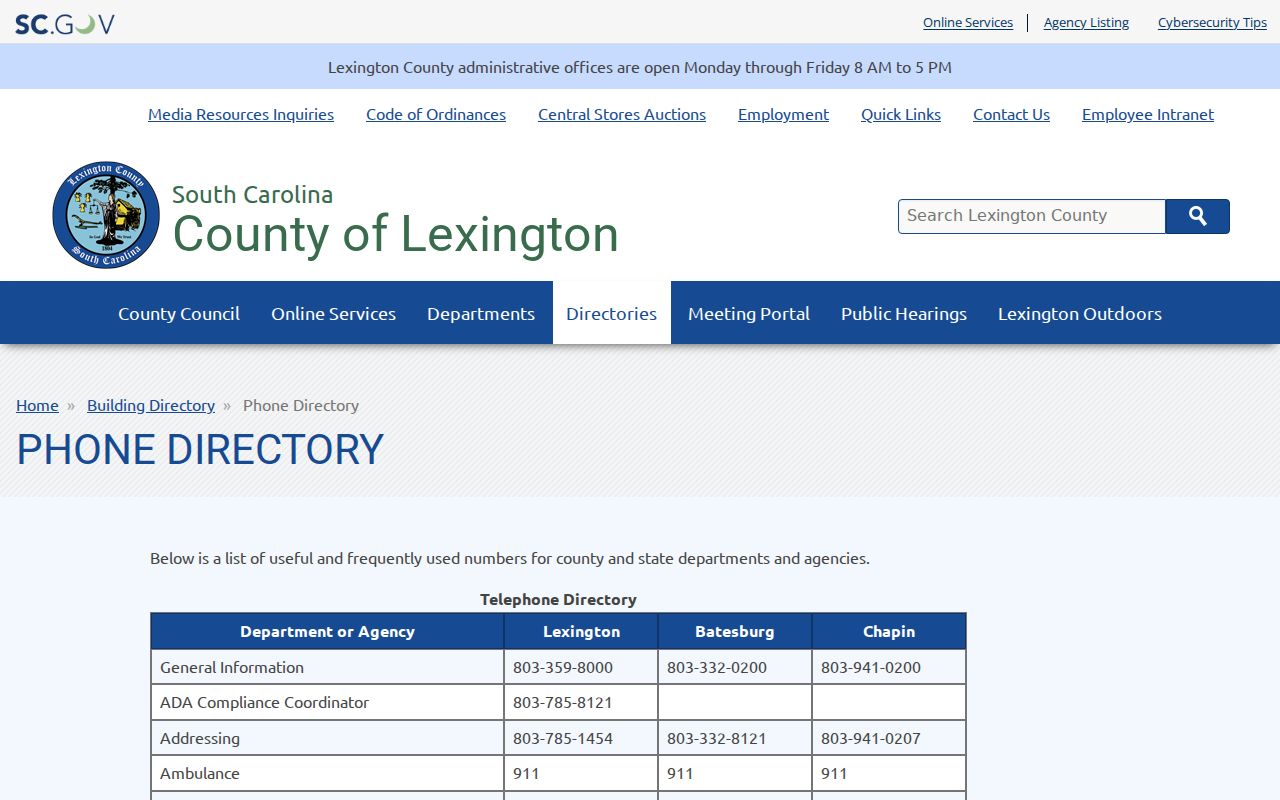
A current published number is safer than one copied from an old arrest post. Confirm the responsible department before sharing personal details.
Four Lexington County Arrest Records
Record flow: Arrest Report › Booking Record › SLED Fingerprint History › Court Case
Each link answers a different question. The agency report describes why officers acted and what they observed. Booking proves intake into custody and tracks bond or release. SLED CATCH aggregates South Carolina arrest cycles that are supported by submitted fingerprints and matched court dispositions. The court docket records what prosecutors filed and how the charge ended.
A missing link is possible. SLED warns that an arrest not fingerprinted, or whose prints were not submitted, may never enter the state repository. Court filing may lag behind booking. Names and aliases can also break a match. Compare identifiers and ask each originating office to correct its own source record.
What an Arrest Record Shows
A Lexington County arrest report usually identifies the date, time, location, arresting agency or officer, subject, charges stated at arrest, and whether legal authority came from a warrant or a warrantless arrest. The detention record adds intake details and custody data. Public fields vary, and medical, victim, juvenile, security, or active-investigation information may be withheld or redacted.
| Booking identity | Full name and suffix plus age, gender, race, height, and weight when displayed. |
|---|---|
| Arrest date | Shows when intake followed the arrest; it is not the date of conviction. |
| Agencies | Names the arresting and booking agencies and the holding facility. |
| Charges | Shows primary and expanded charge descriptions, codes, status, and docket number when configured. |
| Bond | May list total bond, type, status, and amount for each visible charge. |
| Booking image | May appear in the official profile; it documents intake and does not establish guilt. |
| Custody dates | Can include court date and expected or actual release date when configured. |
Lexington County Arrest Agency Routing
Request the incident report from the agency that created it. The Sheriff's Department uses the county route for releasable records. Town of Lexington, West Columbia, and Cayce incidents stay with their city police departments. Highway Patrol records route through the South Carolina Department of Public Safety. SLED investigative material and its CATCH repository product also have separate access paths.
| Arresting agency | First record route | Downstream check |
|---|---|---|
| Lexington County Sheriff | Gibson Road or county FOIA fallback | County jail and assigned court |
| Lexington Police | Town police records channel | Municipal or county court |
| West Columbia Police | City police records channel | Municipal or county court |
| Cayce Police | City police FOIA route | Correct county jail and court |
| Highway Patrol | State public-safety records | Court printed on citation |
The county's official email directory is another documented contact channel. The assigned image preserves that source context.
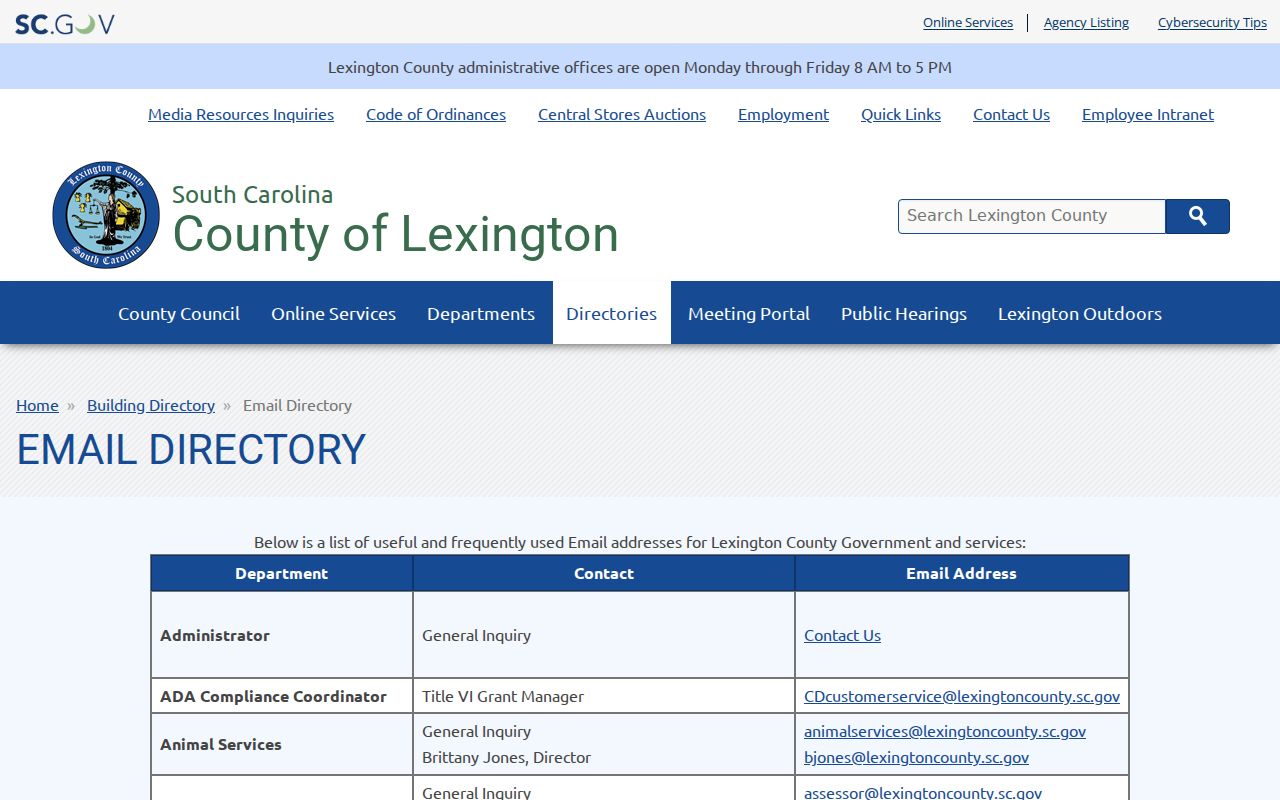
Use email to confirm the right office or submission method, not to send a vague request. Include the incident number and a narrow description of the record sought.
Recent Arrests and Booking Logs
The current official Lexington County roster is the P2C Inmate Inquiry. It is free and does not state that a login is required. The local configuration enables the Inmates module, but it does not enable Recent Arrests, Wanted, or Daily Bulletin tabs. Readers should not waste time searching for those missing modules.
The catalog supports a general text search and Advanced Search. Fields include last, first, and middle name, age, charge, arrest date, race, and sex. Results sort by arrest date by default, load ten at a time, and can stop at a platform retrieval cap. A person who has been released may no longer fit the current-custody purpose of the catalog, so absence is not proof that an arrest never happened.
Note: Lexington County P2C is a responsive web catalog, not a native sheriff records app or a complete historical arrest list.
Lexington County Historical Booking Requests
For older records, describe documents rather than asking the county to answer a question. Give the incident or booking number when known, event date, precise location, involved agency, desired record, and preferred electronic format. Ask separately for an incident report, arrest report, supplemental narrative, CAD event, 911 audio, body-camera video, or photographs because each may have different retention and review rules.
Lexington County's form lists $0.25 per printed page, $0.50 per digitized page, $5 for a CD or USB, and research at $4 per fifteen minutes, waived below fifteen minutes. An estimate may require a 25 percent nonrefundable deposit. South Carolina FOIA generally gives the agency ten business days to decide a request for records no more than twenty-four months old, and twenty business days for older records. That decision is not always the production itself.
Lexington County Intake to Court
Booking charges reflect what was presented at intake. Prosecutors can later amend, dismiss, or replace them. Bond may be personal recognizance, surety, cash, or restricted by a judge. The initial appearance addresses custody and early court handling, not guilt. Confirm bond and court destination through the jail or clerk, and never send money solely because an unexpected caller claims a warrant or bond problem.
The clerk's Lexington County quick tips helps route court questions after arrest. Its assigned manifest capture documents that county source.
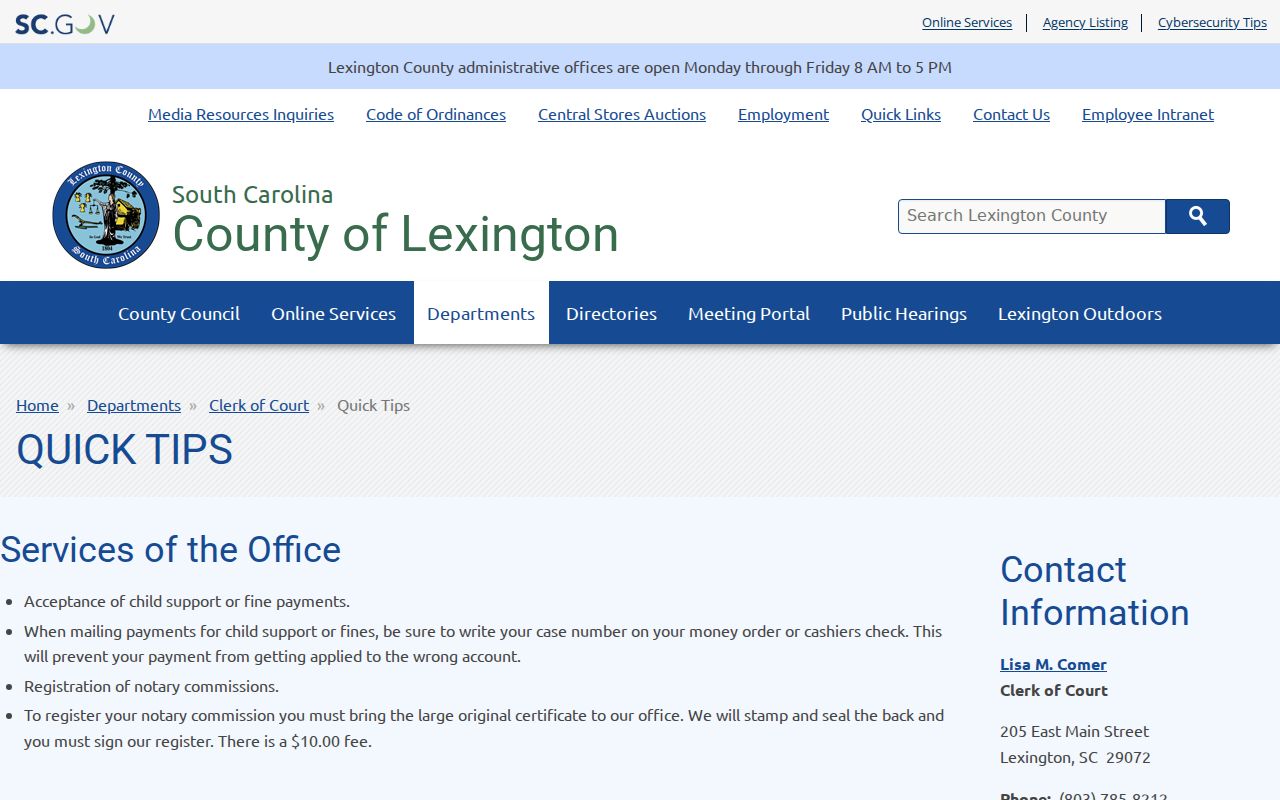
Once a case is filed, read the event chronology and final outcome in the Lexington County criminal court case record. The first booking charge is not a substitute for that disposition.
Arrests vs Convictions
An arrest record shows that an agency took a person into custody or initiated arrest processing. A conviction record shows a court's finding of guilt after a plea or trial. Different offices create them, and they can end differently. Self-review should pair the arrest with its court disposition rather than repeat only the booking allegation.
| Point | Arrest record | Conviction record |
|---|---|---|
| Creator | Arresting agency and detention center | General Sessions, magistrate, or municipal court |
| Meaning | Documents accusation, custody, and intake | Documents a guilty result and judgment |
| Primary source | Agency report and P2C booking profile | Maintaining clerk and Public Index |
| Possible end | Release, no filing, dismissal, or later prosecution | Sentence, appeal, expungement, or other court action |
Note: An arrest is not proof of guilt, and the booking charge may differ from the final Lexington County court disposition.
Lexington Arrest or State Prison
The South Carolina Department of Corrections is not a county booking archive. Its public search covers people in state custody after sentencing and updates from the prior midnight. It excludes county detainees, released prisoners, juveniles, current SCDC fugitives, and people on probation, parole, or other community supervision.
The official SCDC institution information is assigned to this page and shows the separate state-custody layer.
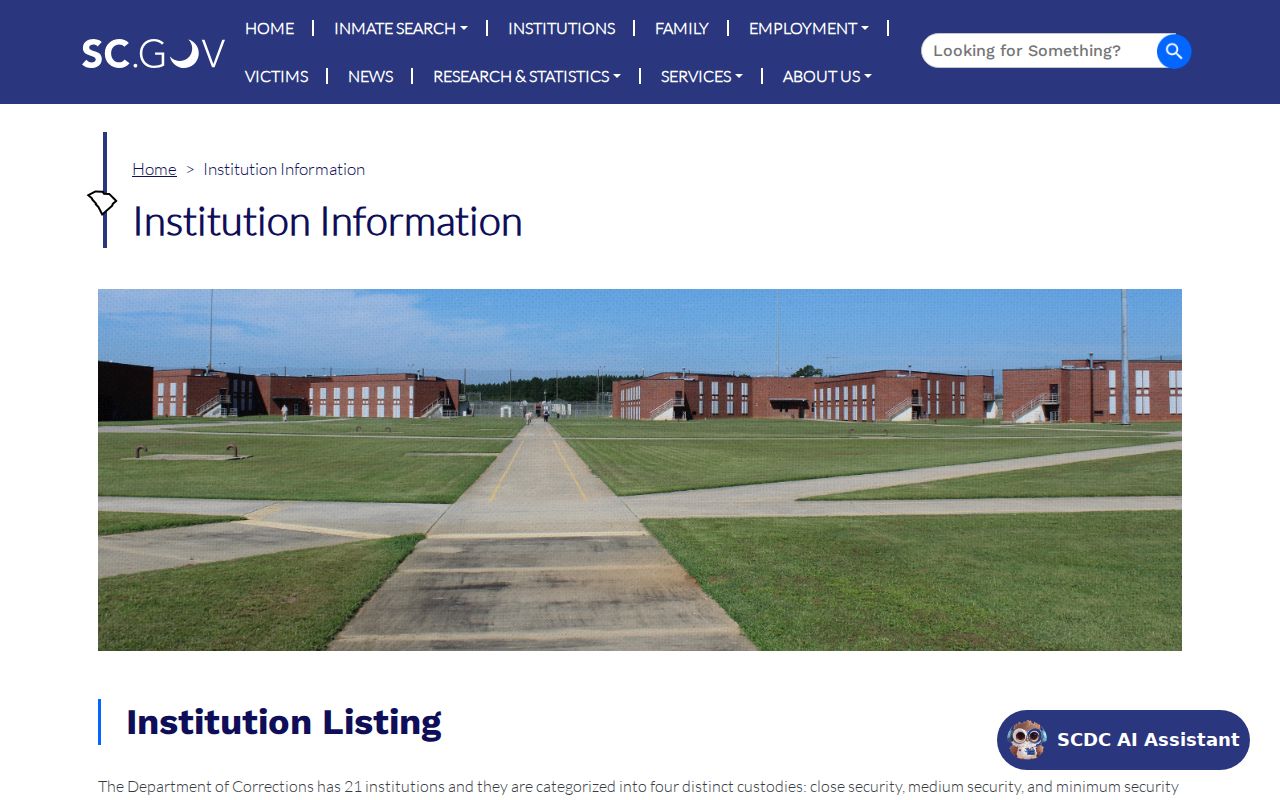
Use P2C or the jail line for current Lexington County custody. Switch to SCDC only after a state sentence and transfer. That distinction prevents a missing state search result from being mistaken for proof that no county arrest occurred.
Federal custody is a third system. The Federal Bureau of Prisons Inmate Locator covers people held in the federal prison system.
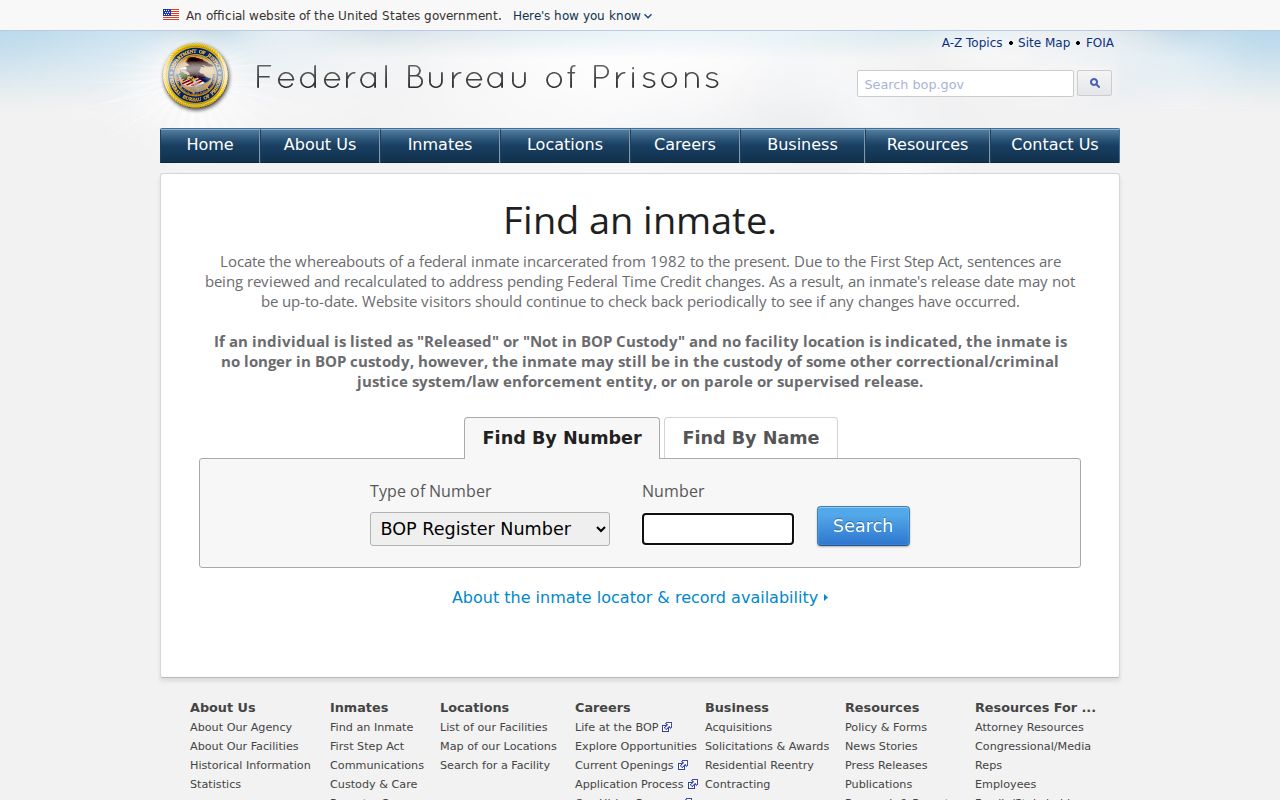
A missing county or SCDC result should lead to the federal locator only when the case or custody information points to federal authority.